

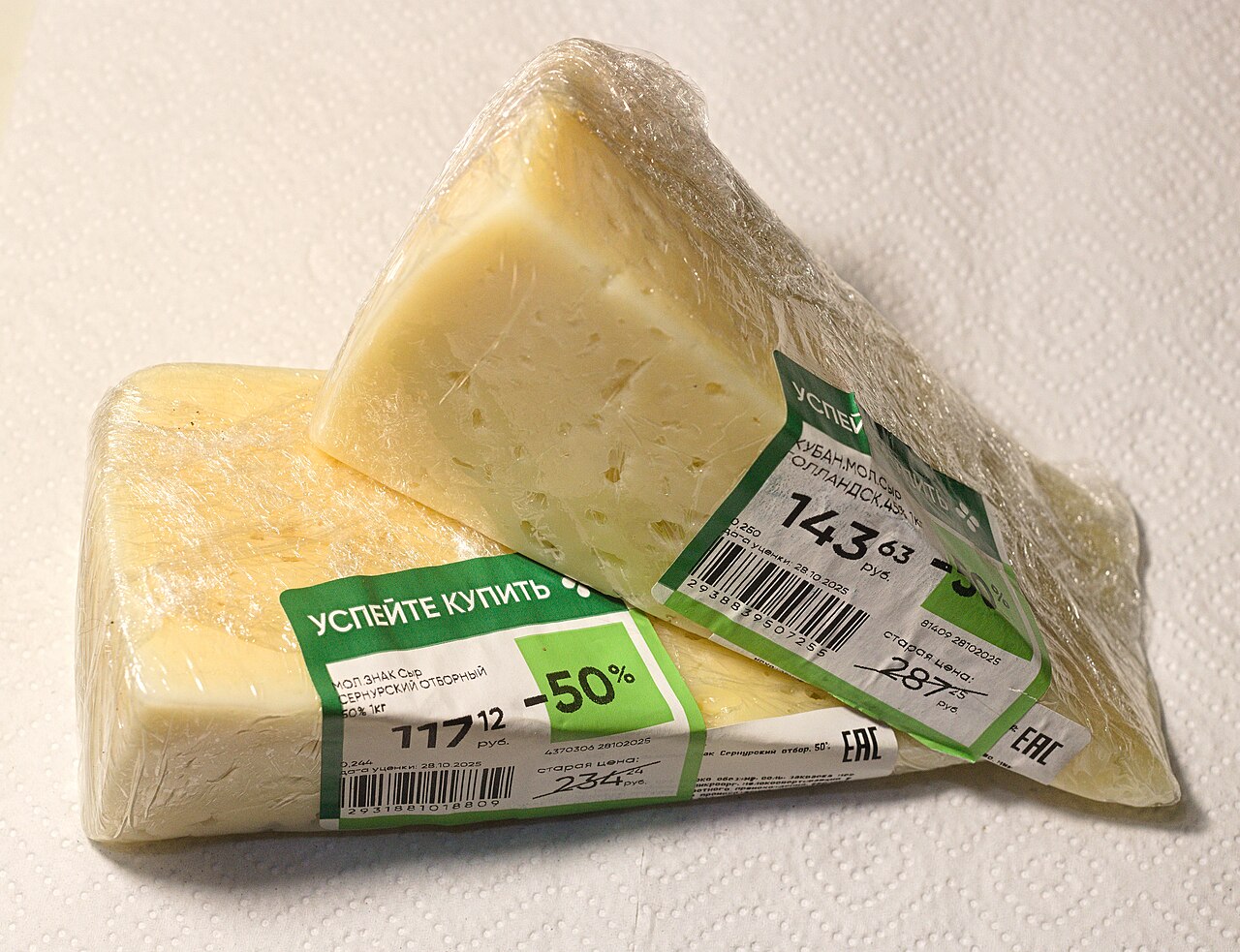
- A crossed out price is not proof of a discount. Compare with what the product has actually sold for.
- Check the price at two or three other stores and over the past few months.
- Watch for sale only models, countdown timers that reset and bundles that hide the real price.
- In some places the law requires sellers to use a genuine reference price, but you cannot rely on that everywhere.
A crossed out price tells you very little. Many products are listed at a high price that almost nobody pays, then discounted to the price they normally sell for, so the saving looks large and is not real. The reliable test is to compare the sale price with the lowest price the product has actually sold for recently, and with what other stores charge today. If those two numbers are close, the deal is probably real. If the sale price is simply the usual price with a big number crossed out beside it, it is marketing.
The short answer
This guide explains how inflated list prices work, walks through the most common tricks, shows how to check a deal in about five minutes and describes the protections that exist in some countries. It also covers what to do if you feel you were misled.
None of this means every sale is fake. Real discounts exist and are worth taking. The goal is to know which is which before you pay.
How inflated list prices work
A seller sets a high list price, sometimes called a was price, a compare at price or a recommended retail price, and then shows a discount from it. If the product is rarely or never sold at that list price, the discount is a story. The shopper sees a large percentage off and feels they are getting a bargain, even though the price they pay is the same one everyone pays.
Furniture, mattresses, some electronics and many online only brands are well known for permanent sales, where the sale price is simply the normal price and the list price is a number that exists only to be crossed out. Anchoring explains why it works. People judge a price against the first number they see, so a high reference price makes a normal price feel cheap.
A simple example shows it. A speaker is listed at 599 dollars, now 399, and described as 33 percent off. If the same speaker has sold for 399 at several stores for the past six months, there is no saving at all. If it sold for 349 last month, the sale price is actually higher than the recent low.
The common tricks
These are the patterns you will meet most often. Each one is easy to spot once you know what it looks like.
| What you see | What it may mean | How to check |
|---|---|---|
| Was 599, now 399 | The was price may be inflated. | Compare with other stores and the recent price history. |
| Sale ends in 2 hours | A timer that resets, or a manufactured deadline. | Reload the page later and see if it restarts. |
| Only 3 left | Real scarcity, or a prompt to rush. | Check other stores and whether the product is regularly in stock. |
| Up to 70 percent off | A few items at that discount, most at far less. | Look at the product you want, not the headline. |
| Bundle deal | The price of a hidden component hides the real cost. | Price each item separately. |
| Sale only model | A cut down version made for the sale. | Check the model number against the regular version. |
| Extra fees at checkout | Shipping, handling or service fees raise the total. | Compare the total price, not the headline. |
Inflated was prices
The crossed out price is higher than the product has recently sold for, so the discount is overstated. Compare with the lowest price over the past few months and with other retailers.
Countdown timers that reset
A timer says the offer ends in two hours, and when you come back tomorrow it starts again. Genuine deadlines exist, but a timer that restarts is a pressure tool. Reload the page later to see whether it resets.
Scarcity claims
Messages such as only three left or twenty people are looking at this create urgency. Sometimes they are accurate and sometimes they are automated. Check whether the product is available at other stores before you rush.
Up to 70 percent off
The headline discount applies to a few items, and most products in the sale are discounted far less. Look at the product you want, not the banner.
Bundles that hide the price
A bundle can make the total look generous while hiding the real cost of each part. Price each item separately and check whether you want everything in the box.
Sale only models
Some of the biggest discounts are on versions made for sales events, with cheaper parts, less memory or a lower grade panel. The model number differs from the one that earned the good reviews.
Extra fees at checkout
A low headline price can grow with shipping, handling, service or packaging fees. Compare the total you will pay, not the first number you see.
Sale only models in more detail
A TV that costs half the usual price is not always a bargain. Makers and retailers produce models specifically for sales events. They look like the regular model and carry a similar name, but they often use cheaper components, fewer features or a lower grade panel. The review you read may describe a different model entirely.
Always check the exact model number and compare its specifications with the version that earned the praise. If the reviewed model has a different number, the review may not apply. When you cannot find independent reviews of the exact model number, treat the price with caution, because a missing review is also information.
Dynamic pricing
Online prices can change several times a day. A price may rise when many people look at a product or when stock is low, and fall at other times. Some stores also show different prices depending on location, device or browsing history. You cannot always avoid this, but you can reduce its effect by checking at different times of day, comparing across stores and not treating a price on one screen as the only price that exists.
If a price looks unusually high, wait a day and look again. If it looks unusually low, check that it is the same model, the same condition and sold by the store itself, not a marketplace seller.
What the rules say
Rules differ by country, and you should not assume protection exists where you live. In the European Union, for example, rules require sellers who announce a price reduction to show the lowest price they charged in the previous 30 days. Other countries have guidelines that require a genuine reference price, and consumer regulators can act against misleading discounts.
Even where rules exist, enforcement is slow and the burden is on you to notice a deal that looks wrong. Check the consumer protection rules in your country if you are unsure, and keep screenshots of price claims you rely on.
How to check a deal in five minutes
- Search the exact model number and compare the price at two or three other retailers, including the manufacturer's own store.
- Use a price history tool or the price tracking feature in a shopping site to see how the price has moved over recent months.
- Note the lowest price in the past three months, and compare it with the sale price.
- Check that the model number matches the product you researched, and that the condition and colour are the same.
- Add shipping, taxes and any required accessories to get the total cost.
- Check the return policy, because a low price with a poor policy is a risky bargain.
- Sleep on it if you can. Real deals often return, and fake urgency disappears.
If the sale price is close to the lowest recent price, it is probably a good deal. If it is the usual price with a big crossed out number next to it, it is a marketing deal.
Tools that help
Several services record price history. Keepa and CamelCamelCamel track prices on Amazon, and many browsers have extensions that show a price history on supported shops. Google Shopping often shows how a price compares with recent months for the same product. None of these is perfect, and they cover some stores better than others, but a quick look beats guessing.
VEYDICT goes a step further for the products it checks. It compares the current price with the lowest credible price it can verify and gives a buy price, the level at which we would call the product strong value for you. When we cannot find a price history, we say so, and we never fill the gap with a guess.
A worked example
A shopper wants a pair of noise cancelling headphones. A store shows them at 349 dollars, crossed out from 449, with a banner saying Save 100 dollars today. The shopper checks two other retailers and finds the same model at 349 and 359. A price tracker shows that the headphones sold at 349 for most of the last four months, with a short dip to 299 during a sale in the spring.
The saving is not 100 dollars. The headphones are at their usual price, and the real low was 50 dollars cheaper. The shopper sets an alert for 300 and decides to wait, because they do not need the headphones this week. Six weeks later the price drops to 299 and they buy. A few minutes of checking saved 50 dollars and a lot of doubt.
Sale events and fake deals
Major events such as Black Friday magnify every trick above. Stores raise list prices in the weeks beforehand, push countdown timers and offer sale only models. Preparing before the event helps: choose the product and the price you will pay in advance, look up its recent price and ignore everything else. See Black Friday vs Cyber Monday for the calendar and a plan, and how price matching works for recovering money if the price drops after you buy.
What to do if you were misled
If a seller misrepresented a price or a discount, keep screenshots of the original page, the price and your order confirmation. Contact the seller, explain the problem and ask for a price adjustment or a return. If they refuse, you can contact your payment provider or your local consumer protection body, particularly if the claim was clearly false. See how to return a product for the steps and deadlines.
Afterwards, note which tricks fooled you. Spotting a pattern once makes it easier to spot next time, and it is the best protection you have.
Know a good price before you shop
The easiest way to avoid a fake sale is to know what a fair price looks like before the sale starts. Paste the product you are considering into VEYDICT and you will see where today's price sits, the price we would call good value for you and the main catch with the product. Our guides on how to tell if something is a good deal and reading product reviews cover the rest, and the category pages show how we judge each kind of product.
Questions
How can I find a product's price history?
Some price tracking sites and browser tools record it, and Google Shopping shows recent price trends on many listings. VEYDICT says clearly when price history is unavailable instead of guessing.
Is a 50 percent discount always a good deal?
No. The discount is measured against a list price that may rarely be charged. Compare the sale price with what the product has actually sold for.
How do I know if a sale is fake?
Look for a list price that never appears elsewhere, a countdown timer that resets and a sale price that matches what other stores charge every day.
Are fake discounts illegal?
In some countries misleading price claims are against the rules, and some regions require sellers to show a genuine reference price. Check the rules where you live.
Why does the price change when I refresh?
Online stores can change prices frequently, and some adjust by demand, location or customer. Check at different times and compare with other stores.
Are Black Friday prices real?
Some are real lows and some are inflated discounts or sale only models. Compare with the lowest recent price and check the model number.